Choosing the right wedding venue is one of the most important decisions in your wedding planning process. The venue sets the tone for the entire event, from the atmosphere and aesthetics to the logistics and budget. Here’s a detailed list of key factors to consider when selecting the perfect venue for your big day:
1. Location
- Convenience for Guests: Consider the location’s proximity to hotels, airports, and transportation options. Is it easily accessible for guests coming from out of town? Is there ample parking or shuttle service available?
- Destination vs. Local: If you’re planning a destination wedding, ensure the location is desirable and easy for your guests to travel to. For local weddings, think about how convenient it is for everyone.
- Scenic Views/Backdrop: The location should match your vision. If you’re dreaming of a beach wedding or a mountain backdrop, make sure the venue offers that kind of setting.
2. Capacity
- Guest Count: Make sure the venue can comfortably accommodate your guest list, with enough space for both the ceremony and reception. You don’t want to feel cramped or overly spread out.
- Room for Growth: If your guest list is still growing, consider a venue with flexibility to handle extra guests. Some venues allow you to add seating or can help with last-minute adjustments.
- Seating and Layout: Think about the style of seating (e.g., traditional rows for a ceremony, or round tables for a reception) and how the space can be configured to suit your vision.
3. Budget
- Cost and Payment Structure: Ensure the venue fits within your overall budget. Ask about the total cost, including hidden fees (e.g., setup, cleanup, or overtime charges), and whether the payment structure is flexible (deposit, installments, etc.).
- Inclusions: Find out what’s included in the price. Some venues offer comprehensive packages with catering, linens, lighting, etc., while others may charge separately for each service.
- Value for Money: Consider what the venue offers for the price. If it’s more expensive, make sure the added value (e.g., stunning views, historic significance, or exceptional service) justifies the cost.
4. Style and Aesthetic
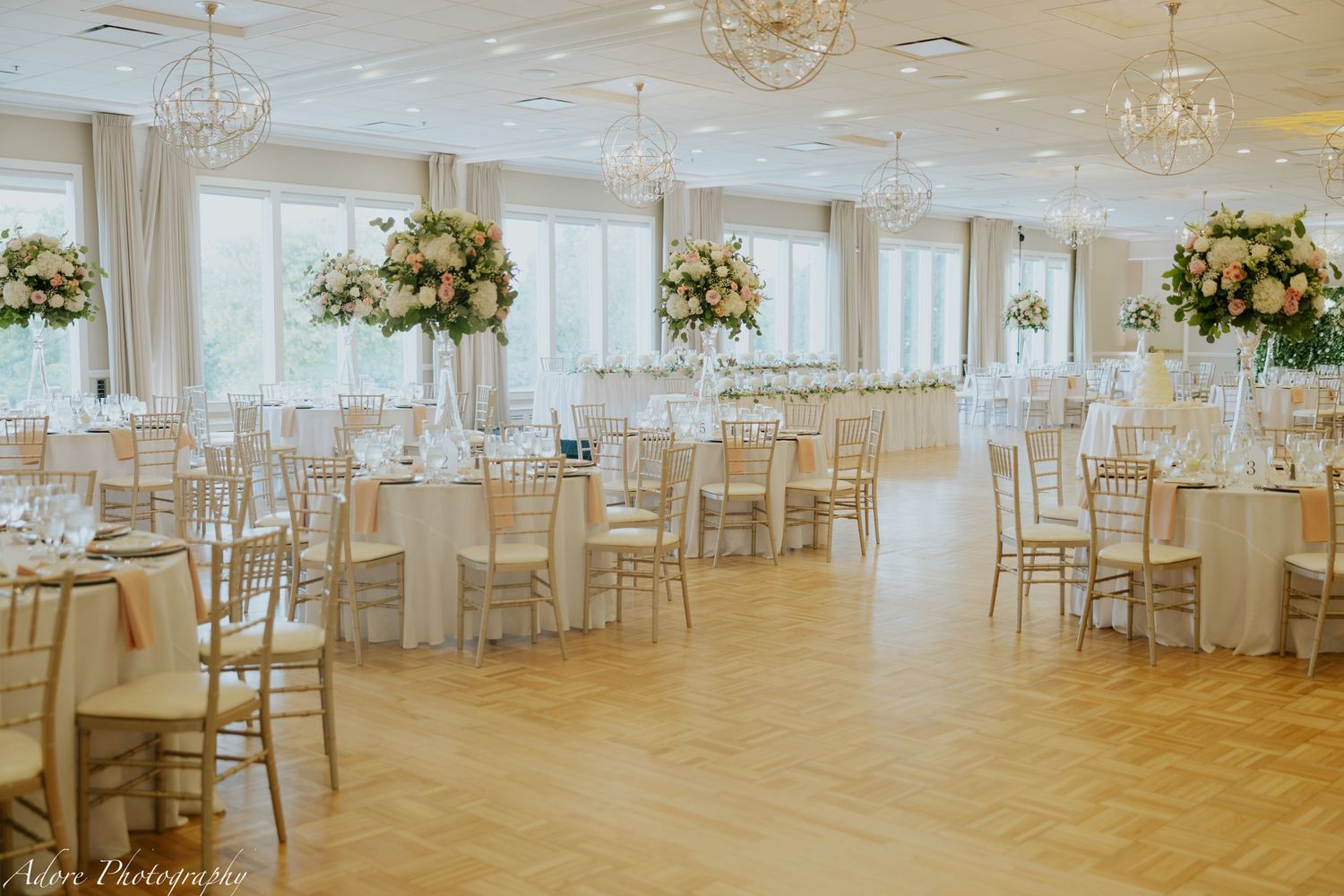
- Ambiance: Does the venue have the look and feel you want for your wedding? Whether you’re after a rustic barn, a chic urban loft, or an elegant ballroom, the style should reflect your vision.
- Indoor vs. Outdoor: Think about whether you want an indoor, outdoor, or hybrid wedding (a mix of both). Ensure the venue has the flexibility to accommodate changing weather conditions if you’re considering an outdoor ceremony.
- Lighting and Decor: Does the venue offer natural lighting or the ability to create the right atmosphere with lighting, decor, and design? Consider whether the venue’s aesthetic aligns with your color scheme and wedding style.
5. Availability
- Dates: Check the venue’s availability on your desired wedding date. If the venue is booked for your first choice, ask about alternate dates and be flexible if necessary.
- Peak Season: Consider whether you’re planning your wedding during peak season, which could affect availability and pricing. Off-season weddings can often be more affordable.
- Exclusive Use: Some venues offer exclusive use on your wedding day, meaning no other events will be scheduled at the same time. This can be a big plus for privacy and a more personalized experience.
6. Vendor Flexibility
- Approved Vendor List: Some venues require you to use their preferred vendors (caterers, florists, etc.), while others allow you to bring in your own. Ensure the venue’s policies align with your vision and preferred suppliers.
- Vendor Restrictions: Ask about any restrictions or rules for vendors (e.g., noise limits, alcohol regulations, catering policies). This will give you clarity on what’s possible and help you plan more effectively.
7. Catering and Alcohol
- On-site Catering: Does the venue provide catering services, or will you need to bring in an outside caterer? If the venue offers catering, ask about menu options, flexibility, and customization to accommodate your guests’ dietary preferences or restrictions.
- Alcohol: Check whether the venue offers alcohol service, or if you’ll need to supply your own. Some venues have licensed bars, while others may require you to hire bartenders or work with specific vendors.
- Cake Cutting and Service Fees: If you’re bringing in a wedding cake, ask whether there’s a cake-cutting fee or if the venue provides cake services.
8. Accessibility
- Physical Accessibility: Ensure that the venue is accessible to all guests, including those with mobility issues. Are there ramps, elevators, or easy access points? Is the parking lot large enough for everyone?
- Restrooms and Facilities: Check that the venue has clean, accessible restrooms and facilities to handle the number of guests. Some outdoor venues may have more basic facilities, so verify the quality and quantity.
9. Insurance and Permits
- Liability Insurance: Make sure the venue has liability insurance, as accidents or incidents can occur during large events. This protects you and your guests in case something goes wrong.
- Permits: If you’re planning anything special, like fireworks or a tent on the lawn, check whether the venue has obtained the necessary permits or if you’ll need to arrange for them yourself.
10. Timeline and Restrictions
- Wedding Day Timing: How long do you have access to the venue on your wedding day? Some venues have strict time limits, which can impact your ceremony start time and reception schedule. Be clear on how much time is allocated for setup and teardown.
- Noise and Curfew: Some venues have noise restrictions, especially if they are in residential areas. Additionally, check if there are any curfews for music or events to ensure your celebration can go until the end of the night.
11. Customer Service and Reviews
- Venue Staff: The level of service from the venue staff is crucial. Are they responsive and professional during your communication? Do they seem invested in your wedding success?
- Venue Reviews: Look up reviews on platforms like Google, WeddingWire, or The Knot to get a sense of past couples’ experiences. Read both positive and negative reviews to weigh the pros and cons.
- Recommendations: Ask for recommendations from wedding planners or friends who have gotten married recently. They can often provide helpful, candid advice about venues they’ve used or heard of.
12. Flexibility for Backup Plans
- Bad Weather Plans: If you're planning an outdoor wedding, make sure the venue has an indoor backup plan in case of bad weather. This is especially important for outdoor venues where you can’t control the elements.
- Flexible Layouts: Some venues are flexible with how the space is used. They might allow you to create different zones (e.g., ceremony, cocktail hour, reception) to optimize space and flow.
13. Parking and Transportation
- Parking Options: Ensure there’s enough parking for your guests or if valet parking is available. If your guests will need to travel from hotels, check if there are shuttle services provided.
- Transportation: If you’re hosting a large wedding, consider how guests will get from the ceremony to the reception if it’s at a different location. Are transportation options included or available for hire?
14. Accommodations
- On-site Lodging: If your venue has on-site accommodations, this can be a huge advantage for out-of-town guests. It’s also helpful for the couple to stay there the night before or after the wedding.
- Nearby Hotels: If your venue doesn’t have accommodations, find out what hotels or rental properties are nearby for your guests to stay at. You might want to block rooms for your wedding party.
15. Personalization and Customization
- Personal Touches: Can you personalize the space to match your wedding theme? Some venues allow you to bring in your own decor, while others may have restrictions on what’s allowed.
- Decor Options: Some venues have built-in decorations like chandeliers, floral arrangements, or special lighting, which can save you money and reduce your stress.
16. Reputation and Experience
- Experience with Weddings: Does the venue have a lot of experience hosting weddings? Experienced venues often have processes and staff in place to handle weddings smoothly and efficiently.
- Wedding Planner or Coordinator: Some venues include an in-house wedding coordinator who can help guide the planning process and ensure everything runs smoothly on the day of the event.
Summary
Choosing a wedding venue is about finding the right balance between your style, budget, and the logistical needs of your wedding day. Consider location, capacity, catering, accessibility, and flexibility. Don’t forget to factor in any legal requirements, time restrictions, and what’s included in the price. Finally, trust your instincts: the right venue should feel like a perfect fit for you and your partner, providing a beautiful and seamless backdrop for your celebration!